
01
What a Rio-based fulfillment operation handles
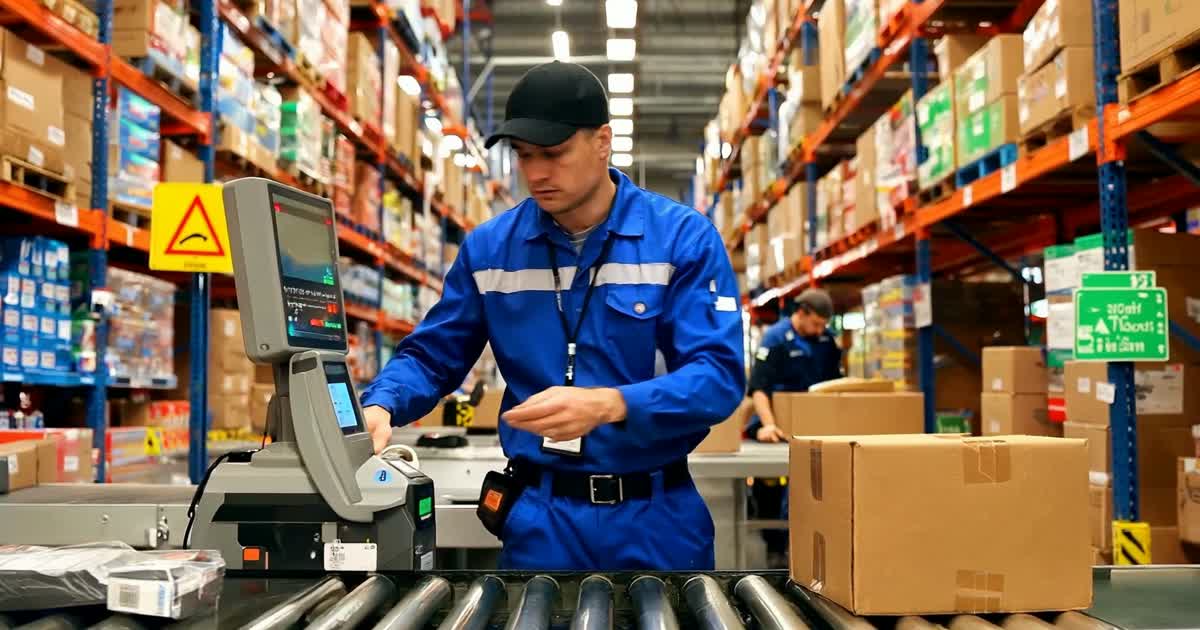
Fulfillment connects the inventory you hold in Brazil with the orders your customers place. The warehouse receives eligible products, identifies SKUs, stores stock, picks the items ordered, prepares packaging and hands shipments to carriers. Returns and B2B replenishment can be included in the agreed scope.
Gurulog's location is Estrada do Engenho Velho, 2372, Taquara, Rio de Janeiro, RJ 22723-392. This is the operating location described on this page, not a network of invented regional facilities. Deliveries to other cities are handled through carrier partners.
02
Choosing Rio as your inventory base
A warehouse location should be evaluated against your actual customer destinations, replenishment route and product profile. Compare the total storage, handling and outbound freight cost rather than selecting a city solely because it is close to your head office.
Share destination postcodes, typical parcel weights and dimensions, sales volume and order peaks during evaluation. These inputs help determine whether a Rio-based operation fits your distribution requirements. Transit times vary by destination, carrier and selected service; local inventory does not guarantee next-day delivery nationwide.
03
Receiving and stock preparation
Before an inbound shipment, align the SKU list, quantities, packaging units and any handling restrictions. Imported merchandise must already be lawfully released and eligible for warehouse receiving. Your authorized importer and advisers remain responsible for importation and commercial documentation.
Receiving discrepancies need a documented resolution path. Define how shortages, damaged cartons, unidentified items and barcode differences will be reported before the first shipment arrives. Product categories with regulatory or storage requirements require individual acceptance review.
04
Daily order handling and inventory visibility
Define order release rules, packaging materials, carrier labels and the information exchanged between sales channels and warehouse operations. Both direct-to-consumer parcels and B2B shipments require SKU accuracy, but wholesale orders may need case quantities, pallet handling or delivery appointments.
Inventory visibility is most useful when the teams agree on available, reserved and non-saleable stock. Reporting and integration requirements are evaluated during onboarding. Your selling entity remains responsible for compliant invoicing and customer commitments.
05
Build a useful fulfillment brief
Provide expected monthly orders, active SKU count, storage needs, average items per order and destination mix. Add campaign peaks, packaging specifications, returns expectations and your intended launch date. If a forecast is uncertain, identify the assumptions instead of hiding them.
A tailored proposal can then separate receiving, storage, picking, packing, materials and shipping. Compare proposals using the same operational assumptions. This avoids a low per-order headline price obscuring storage, returns or carrier charges.